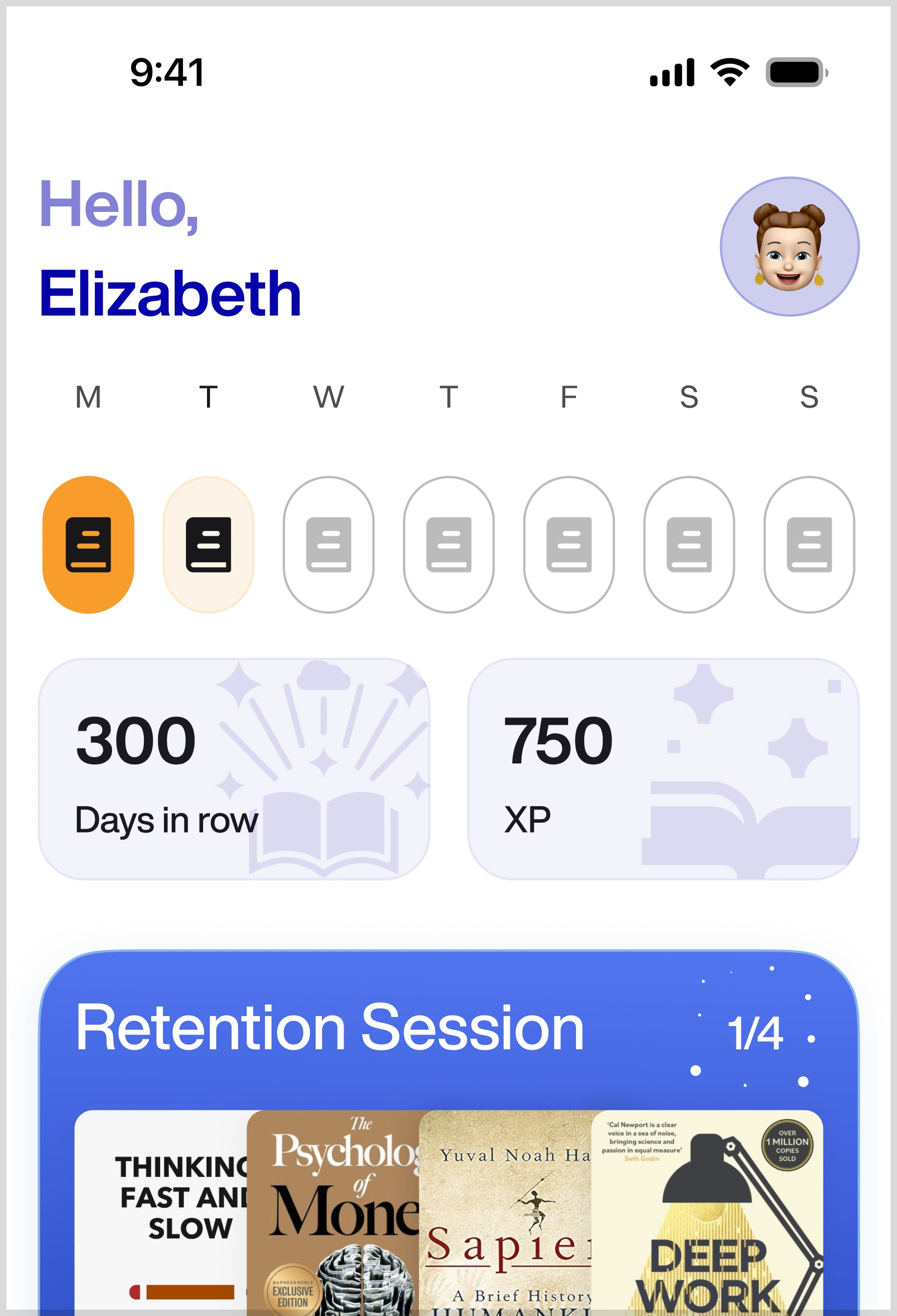
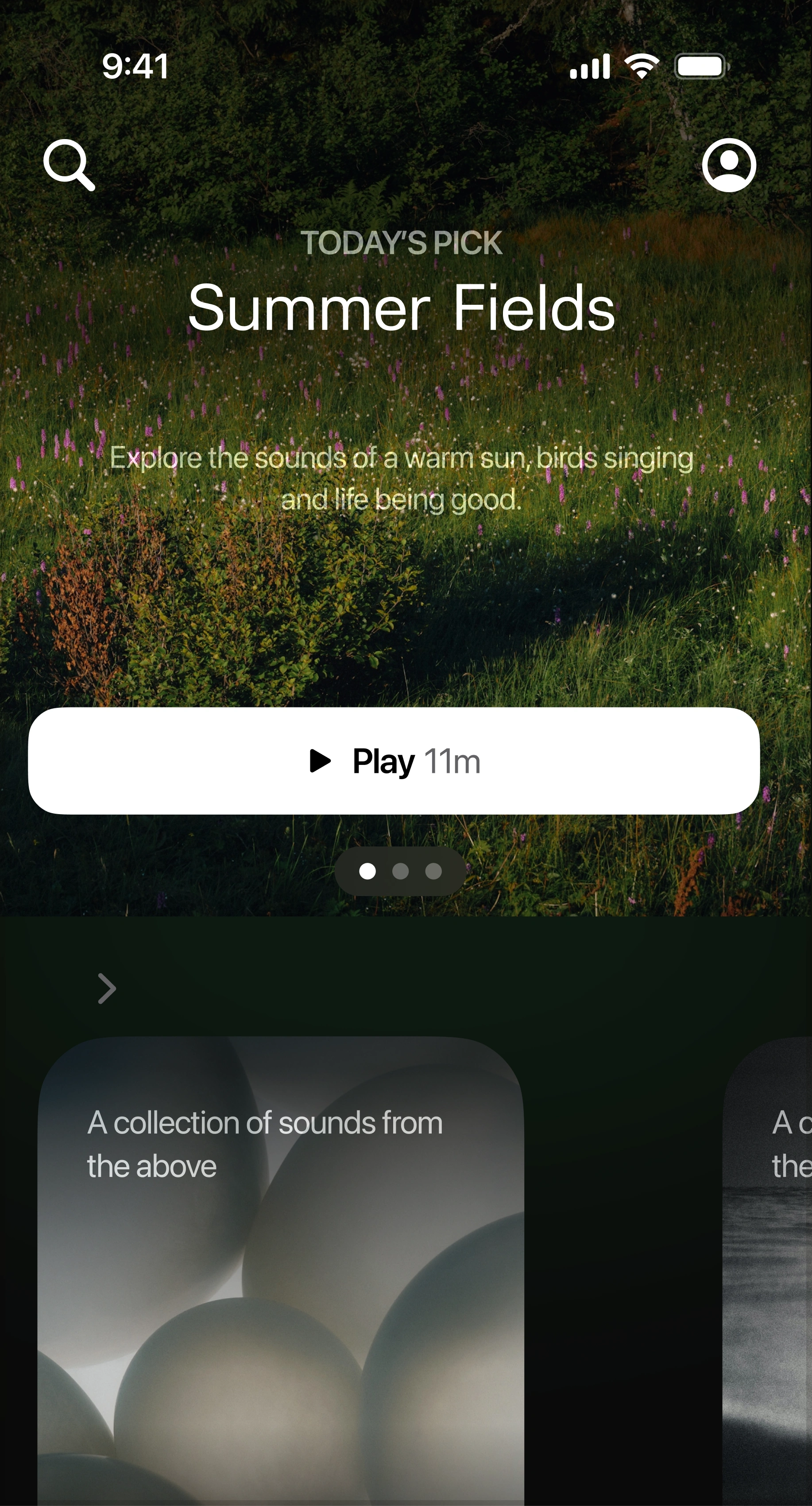
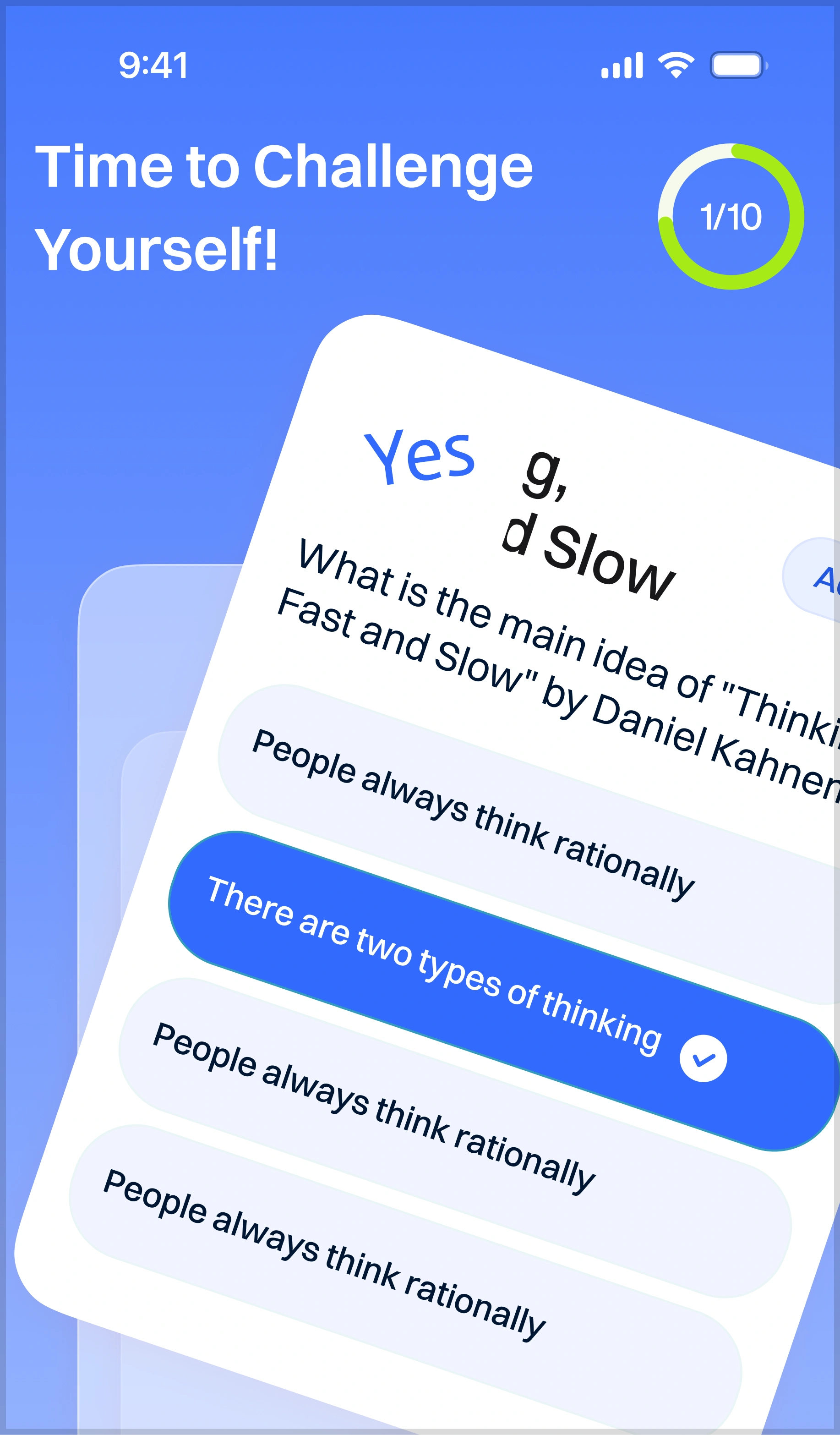
With the advent of smartphones, mobile apps have become a primary way to communicate on the internet. We use tons of apps on our phones daily for phone calls, chats, social media updates, music, etc. In the past, web browsers on computers and laptops had the majority of online traffic, but the results have shifted rapidly towards mobile apps.
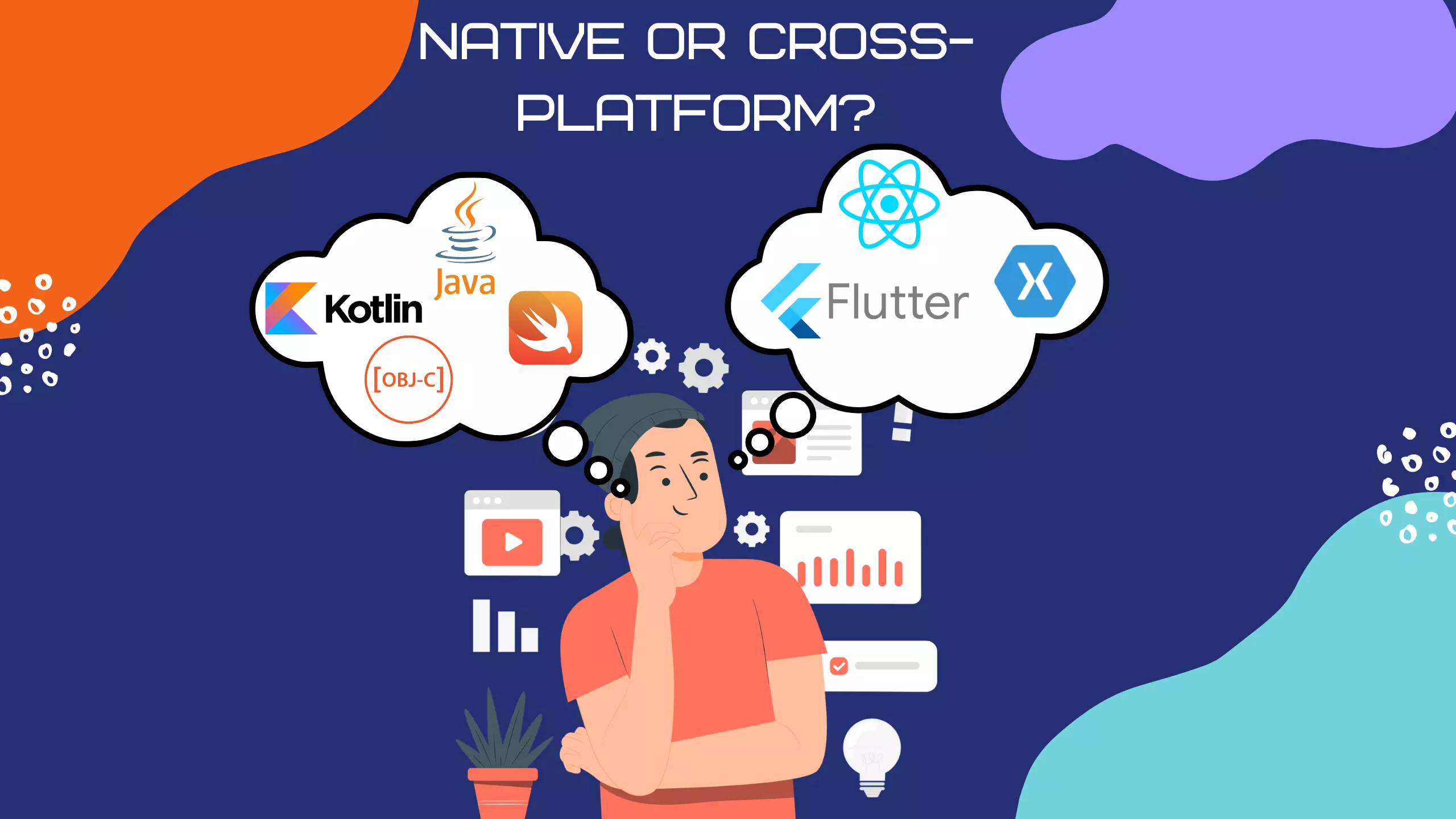
This rapidly growing mobile app demand has inclined businesses to move towards mobile app development but they are not sure whether they should go with native mobile app development or choose a cross-platform framework. All of the mobile apps are developed using specific programming languages such as Java, Kotlin, Swift, Objective C, etc. as each one holds expertise in a specific platform. However, there is a workaround to developing apps that work on all the major platforms with just a single codebase. This discussion has generated a natural comparison of native vs. cross-platform mobile application development.
Generally, there is competition between native vs. cross-platform mobile app development depending upon the requirements of the business or use case. Although neither native nor cross-platform apps hold an advantage over the other, the development techniques and working mechanism offer their pros and cons. In addition to listing out the features of native and cross-platform mobile application development methods, this article covers the pros and cons, detailed comparisons, and the best one to choose depending on requirements.
What is Native Mobile Application Development?
Developing an app that works on just one platform is referred to as Native Mobile Application Development. Native Applications has a single codebase that works only for one platform. Also, for a particular platform, there are defined programming languages and a set of guidelines that must be followed by the developer for the application to work effectively. Similarly, there are coding practices, syntax, and tools associated with the native platform that must be kept in mind.
As one native app serves only one platform, there will be a need for parallel programming across multiple platforms in case the app is required for different platforms. Thus, working on native platforms will require a business to do simultaneous work for different app versions on all the major platforms.
Native apps are usually faster and more efficient in terms of functioning, code rendering, and user experience building. It is because the native language directly converts to the machine code without needing some third-party or external library. Some of the most popular native application development languages include Java, Kotlin, Objective-C, and Swift. These languages are really popular and serve all the mobile application development needs for businesses on their associated platforms.
Examples of Native Mobile Apps
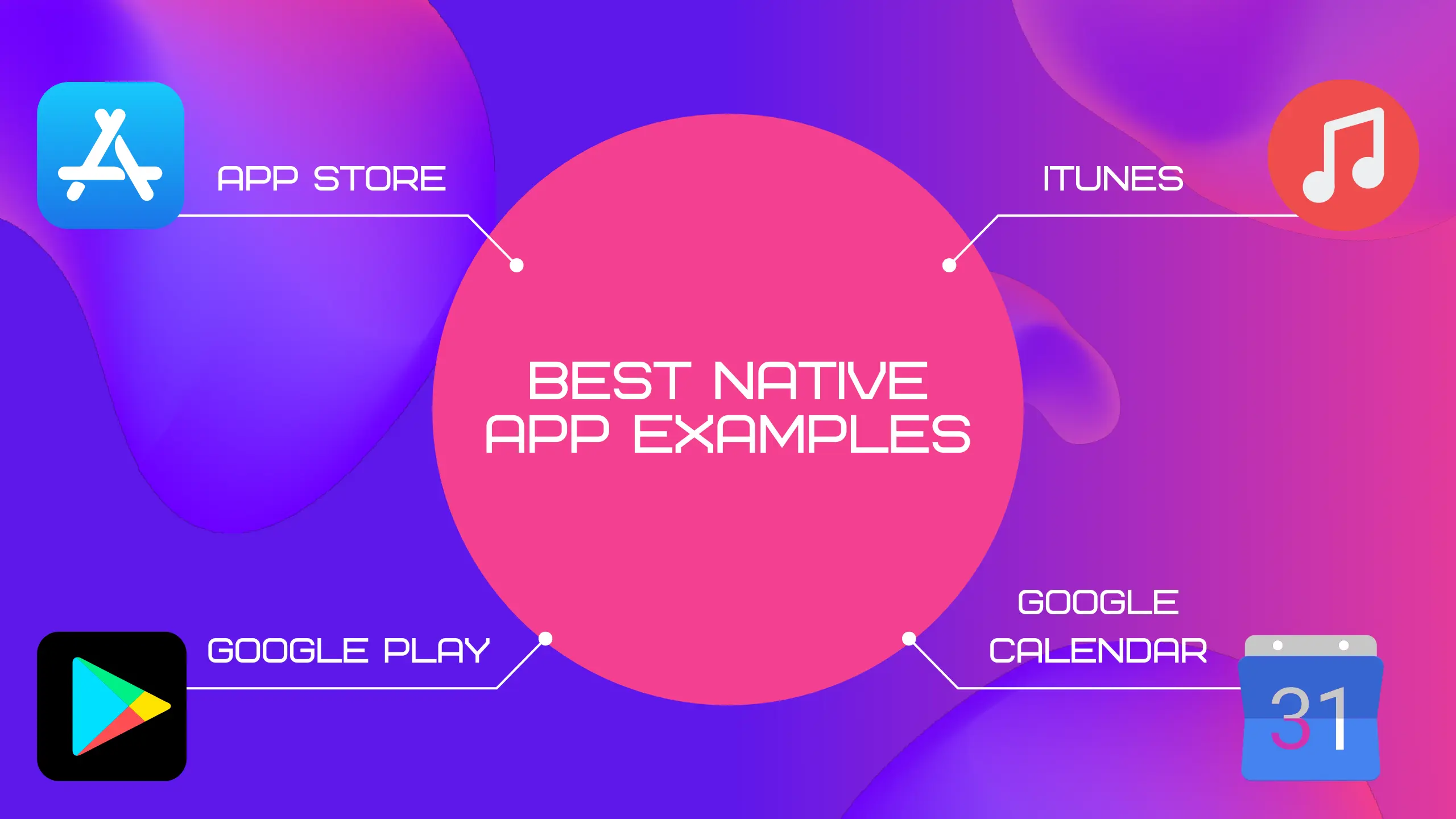
All the mobile apps that are platform-based only are native mobile apps. Some of the most popular native mobile app examples on iOS include the weather app, iTunes, App Store, Find my iPhone, and Facetime. Similarly, some of the popular native apps associated with Android include Calendar, Play Store, and Google Assistant.
What is cross-platform application development?
Developing an app that works across multiple platforms is called cross-platform mobile application development. These apps have a single codebase that renders the app on different platforms such as Android, iOS, Linux, etc. without needing to reconfigure settings according to application specifications. The defined set of programming languages, syntax, and code flow works smoothly on all the platforms. This in return saves parallel programming efforts as the developed app will be available in all the major stores.
Cross-platform mobile apps are functional but they do not directly integrate with the machine code for specific tasks. This leads to the usage of different libraries and external sources that the cross-platform framework offers. Nowadays, a lot of cross-platform programming languages are open-source as well so developers can work and produce their methodologies to reach a particular solution.
Some of the most popular cross-platform application development languages and frameworks include Flutter, React Native and Xamarin. These mobile application frameworks and languages are oriented for businesses looking to target a broader market of platforms.
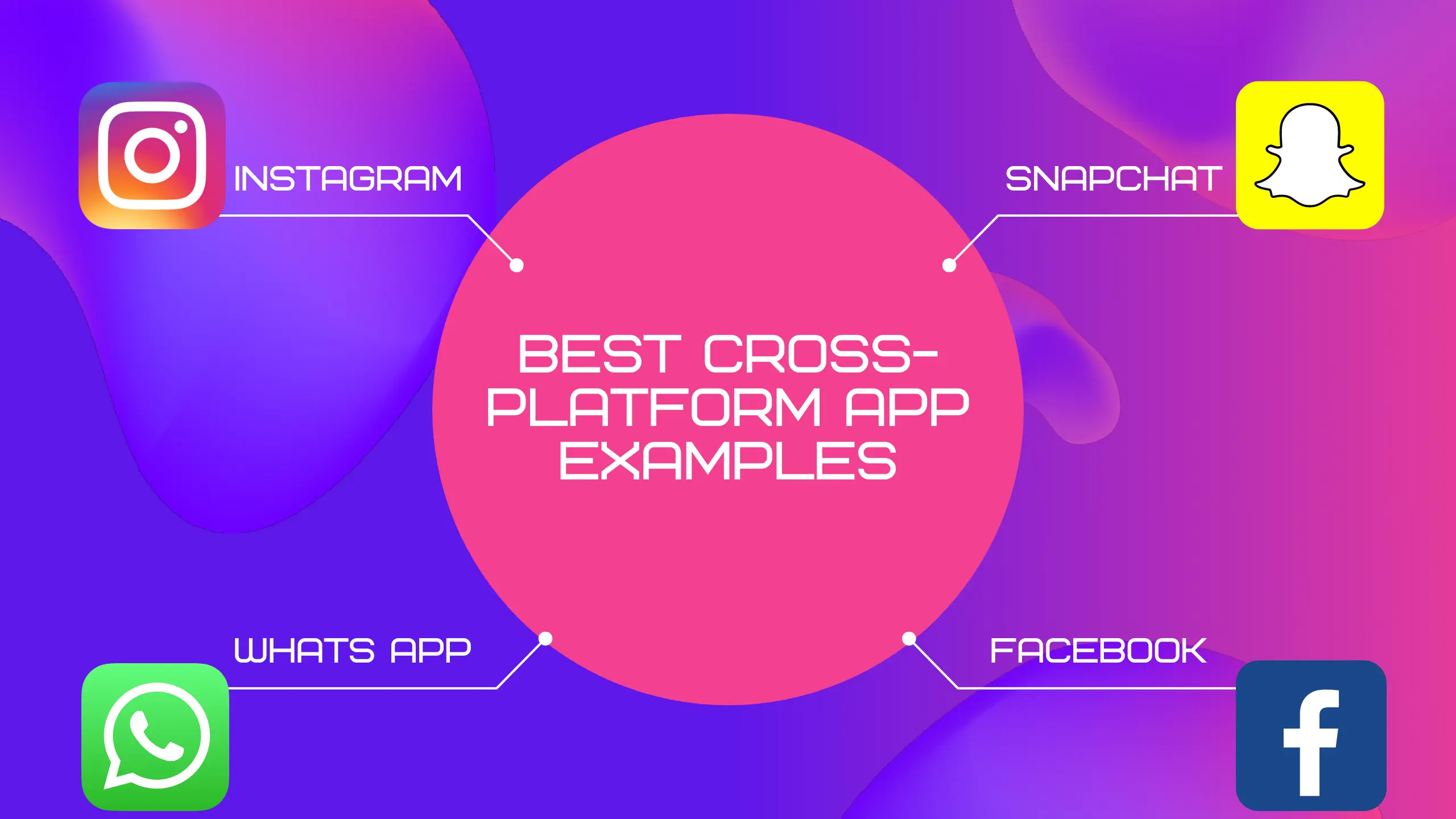
In today’s world, it is a necessary requirement to make the app available across all platforms to reach all users. Although the same app can be developed separately on iOS and Android, doing less work and getting more output can never be negated. Thus, there is an increasing demand for cross-platform applications that cater to everyone without considering their platform. Some of the most popular-cross platform applications include Facebook, Whatsapp, Instagram, and Snapchat.
Native mobile application development has been ongoing in the development industry for a much longer time as compared to cross-platform. Thus, there is a wide set of functionalities, global support, and advanced feature and functionality development in these languages till now. Also, native languages are particularly developed to solve problems for a specific platform, they provide end-to-end functionality covering both front and backend.
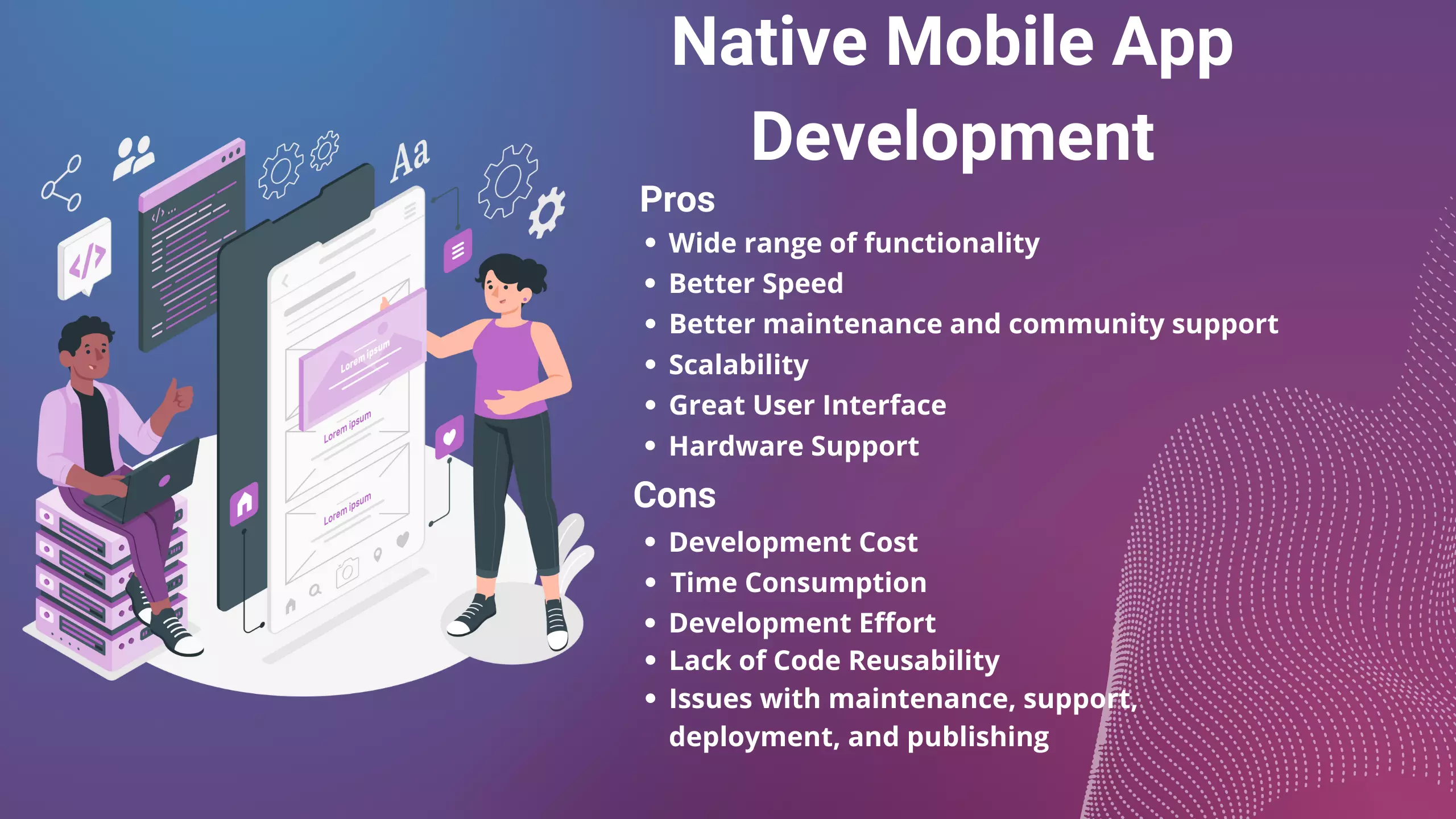
Some of the major pros of native mobile application development include:
Wide range of functionality
Native mobile application development platforms are responsible for handling every aspect of the app. This ultimately covers, frontend, backend, API development and integration, hardware integration, third-party library integration, etc. Thus, every resource is provided by the platform and the developer community using it.
Better Speed
As Native apps cater to an exclusive set of devices, they are generally faster and highly tested. Keeping in view a particular screen size, range of phones, and specific models, a highly optimized frontend view can be developed easily. Similarly, the phone resources, APIs, and services can be directly fetched as there are no other intermediary layers between the code and resources of the phone.
Better maintenance and community support
Native apps have a smaller build size as compared to cross-platform apps, therefore they can be downloaded much faster from the app stores. The small size, robust features, and fast performance rank them better in the app stores. To be on top, the community working on a native mobile platform tries to improve the features, give new updates, and give access to the latest releases as fast as possible. Similarly, there is a lot of support for new developers to get help online with native platforms because they operate under an organization.
Scalability
Native mobile application development includes features that can be adjusted according to specific needs. Because of this flexibility of tools, functions, and resources, highly scalable mobile apps can be created.
Great User Interface
As mentioned above, native platforms directly render the resources of the phone. This includes screen resolution, size, and aspect ratio. Thus, native platforms create pixel-perfect front-end designs and provide responsiveness to a great extent.
Cons of Native Development
Development Cost
Although native mobile application development is ideal if a business wants to launch an app on just one platform, it can be really costly if the app needs to function on all the major platforms. For example, if a business is looking to launch a mobile app separately on Android or iOS by considering the native mobile application development method, two separate apps will be developed, each working independently using a dedicated programming language. This will lead to parallel programming resulting in double the cost of resources working on their respective apps.
Time Consumption
Native apps need to follow a specific set of guidelines, syntax, and tools associated with the framework. Thus, there will be different setups required in case an app is needed on more than one platform. Multiple configurations, project setup, task management, resource utilization, and code provisioning ultimately result in increased development time. As there can’t be code replication to get the functionality or feature on all the platforms, tasks need to go in sequential order for the development team.
Development Effort
Utilizing the native mobile application development method, a business will need multiple codebases if they want their app to work on different platforms. This will require multiple resources so the development effort will also be doubled. Depending upon the number of platforms, there will be a need for Android, iOS, Linux, or any other platform developer to have special expertise in the particular language.
Lack of Code Reusability
Nowadays, component-based development is really popular as it has the features of reusability anywhere in the app or platforms. However, this is not the case with native apps. Code written in a specific native programming language is not reusable anywhere else. In fact, the same code might not be supported anywhere else in the same app in some cases. So, there will be a lot of repetition and additional code written to do a similar thing again and again. As this reduces the “Do not repeat” software engineering principle, it can be troublesome in many cases.
Issues with maintenance, support, deployment, and publishing
Native mobile application development holds a double cost factor whenever we talk about multiple platforms. If a business utilizes two native apps to serve its app, there will be a need for two separate support teams to fix the specific problems associated with the programming language. Similarly, the deployment and app publishing will require double the time as compared to cross-platform apps.
Cross-platform apps have one codebase for all the platforms. This makes managing tasks, functionalities, and features really easy for the developers. If a change or alteration in a feature is required, the same project files can be used. Similarly, testing a single codebase is easy as compared to testing various files that are dependent on platforms.
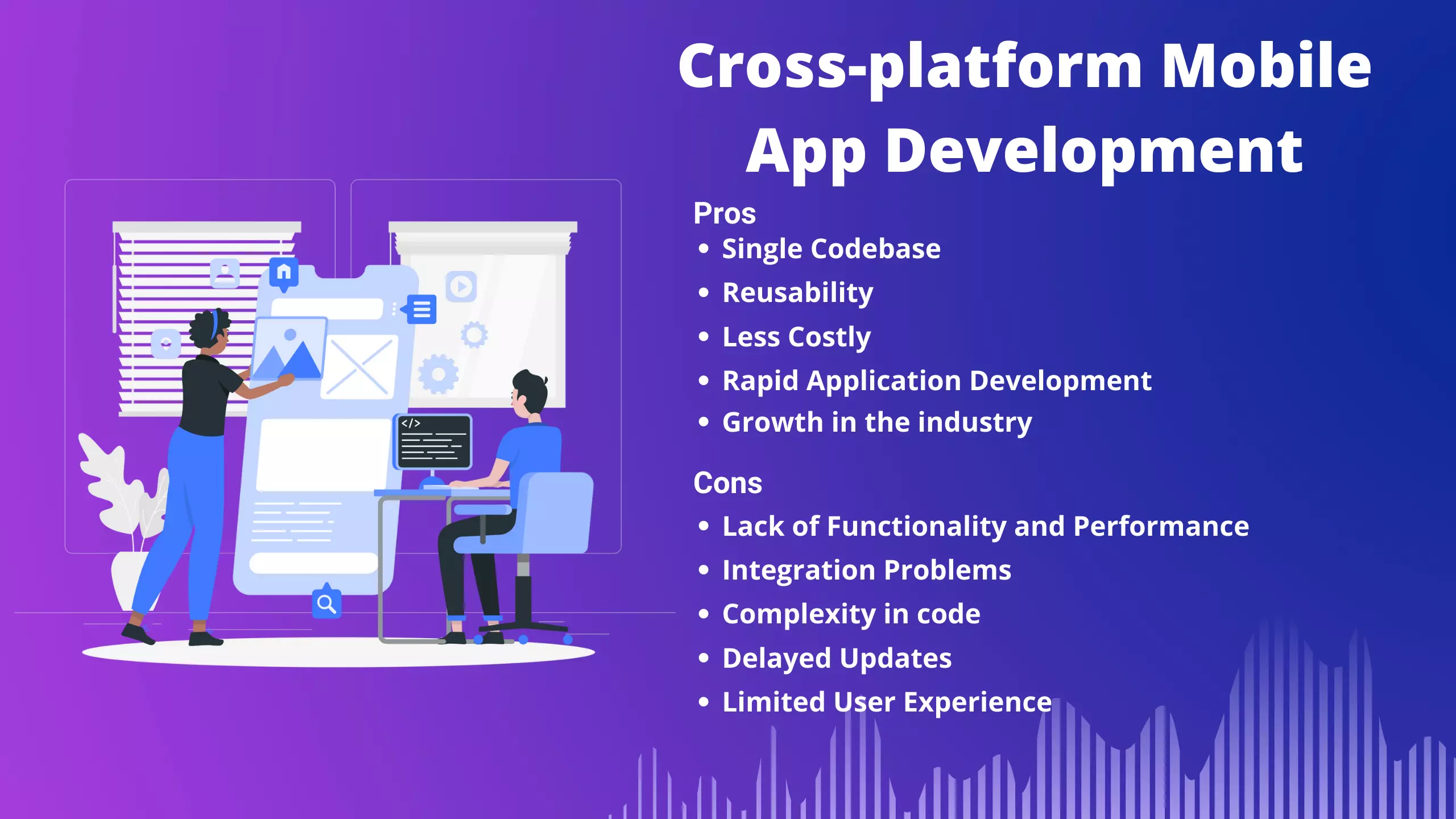
Reusability
Cross-platform mobile application development support component and fragment-based development to support generic programming. With cross-platform apps, the functions and modules are written in a way that they can be reused anywhere in the program or project. Thus, this saves a lot of development time as there is no need to write the same piece of code over and over again. Also, this reusability feature saves a lot of programming effort and resource allocation problems.
Less Costly
Cross-platform apps eliminate the need to have multiple developers working on their programming language to create apps for specific platforms. As a single codebase serves all platforms, there is no need to hire multiple resources to create different versions of the same app. Simultaneously, the cost can be saved on deployment, maintenance, and support.
Rapid Application Development
Cross-platform mobile apps are highly regarded for Rapid Application Development (RAD). This is because they provide a faster way to create apps. The app configuration, database setup, third-party integration, and deployment time taken by cross-platform apps are usually faster as compared to native apps. Again, this is because of the single codebase feature. So, in case just the basic version of the app is required for demo purposes, Rapid Application Development (RAD) techniques are undertaken by utilizing cross-platform features.
Growth in the industry
With the advent of cross-platform development frameworks, the demand of the industry has rapidly shifted from native application development. Hiring an experienced cross-platform application developer instead of two separate developers to cover Android and iOS is the go-to approach now. Therefore, cross-platform is paving its way and slowly taking down native applications as these platforms grow.
Cons of Cross-platform Development
Lack of Functionality and Performance
Cross-platform mobile application development focuses more on covering all the platforms rather than actively improving the core features needed for effective business use-case completion. If conducted a user interaction comparison between the same native and mobile app, it will be evident that the native app is working faster. Although the performance is not visible with smaller apps, it can cause a problem for apps with highly detailed features.
Integration Problems
It is almost impossible to directly integrate the local features of the app such as camera, settings, user interface features, etc. without needing third-party external services and APIs. Thus, there will be a need for external libraries and tools downloaded which will evidently increase the app size.
Complexity in code
With cross-platform mobile application development, there will be a need to keep in mind all specifications of different platforms before coding a single line of features. It is because the code will work differently on each platform so all sorts of platform exceptions need to be handled. With native apps, only one platform needs to be considered as they have a dedicated platform. As this is not possible with cross-platform, developers need to do extra configuration, add extra code, and test the app on a variety of platforms with each feature release.
Delayed Updates
Cross-platform apps take a little longer whenever a new feature or update is released. For native platforms, the Software Development Toolkits (SDKs) are available right away that can be integrated directly, but cross-platform apps need to wait for some time as they are dependent on third-party or open-source work.
Limited User Experience
Cross-platform mobile apps often have some loopholes and vulnerabilities when it comes to security. In case of a security breach, native app updates are released immediately causing very few issues. However, with cross-platform the delayed updates add a lot of risk factors. Thus, this can be a problem if a business is dealing with a data-driven mobile application.
All the major pros and cons of native and cross-platform apps have been discussed above but one thing that has allowed cross-platform to outrun native apps includes the ability to create applications for the web as well. In the past, cross-platform apps were only targeting mobile platforms such as iOS and Android. However, an addition to the game includes the web view. This has majorly been possible with React Native as the specific components of the app can be rendered as javascript snipped with HTML and CSS view for web browsers.
Modern cross-platform application development frameworks like React Native and Cordova can cover mobile platforms as well as web views with basic features. So this can be an ideal state for businesses looking for mobile applications as well as limited view or presence on the web.
Native and Cross-platform Mobile Development Agencies
There are plenty of mobile development agencies available in the market to help a business decide which one is better given the conditions. A business can simply describe the details about the kind of app they want and it is up to the developers to decide which app development method is better.
We are seeing Flutter and React Native agencies becoming more popular nowadays. These agencies not only kick off the projects with a client but also help in maintenance, support, quality assurance, and deployment of the apps. Thus, they can guarantee that you reach your desired goal in time at affordable rates.
Native vs Cross-platform: Which one to choose?
Both native and cross-platform applications are rapidly used in mobile application development. As each one has several advantages and disadvantages over the other, deciding the better one is simply not the case. Thus, Native vs. cross-platform mobile app development is not the case with deciding which one is better, but it is the way of knowing which one suits your needs best.
Considering the features and characteristics of native and cross-platform apps mentioned above, it is evident that choosing the right mobile application framework depends upon business requirements. Depending upon the specifications of the app, features required, and target market, a specific platform can be chosen.
If you are unsure about choosing between cross-platform and native mobile application development, first conduct thorough research on your needs in terms of features, speed, platforms, etc. After reviewing, you can get in touch with an agency of your choice and you will be promptly given a response after careful consideration of your requirements. Get in touch with the best mobile application consultation firm in the market to construct the app you always dreamed of.
Mobile App Development in 2026 The mobile app landscape has undergone a seismic shift over the past few years. What began as a gradual migration from websites to mobile apps has now matured into a full ecosystem where mobile is no longer an alternative to the web — it is the primary computing surface for […]
Mobile App Development in 2023 The demand for mobile app development is increasing day by day because of the rapid increase in the usage of mobile platforms for everyday tasks. This shift from websites or web apps to mobile apps has not only opened up new doors for mobile application development industries but also paved […]
Creating a timeline for mobile app development can be a difficult task to take on if you do not have a definitive app development plan. This is exactly why the first step in creating a timeline should be to establish the goals of the project are and the purpose of the mobile app. Timeline establishment […]